What is Digital Marketing? A Comprehensive Overview for 2026
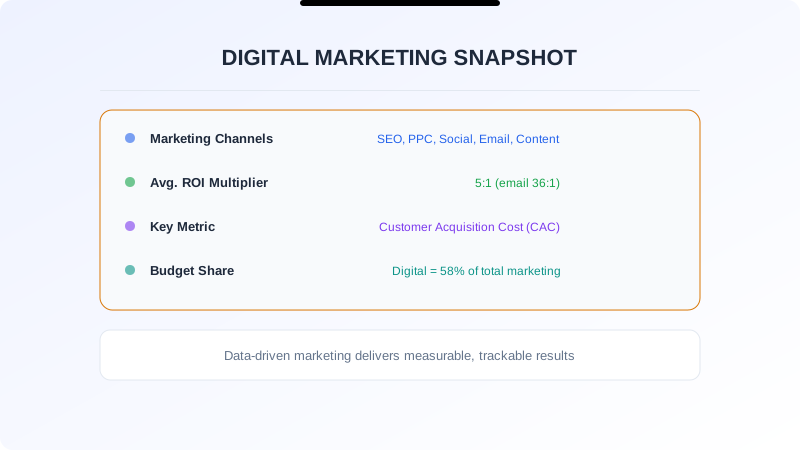
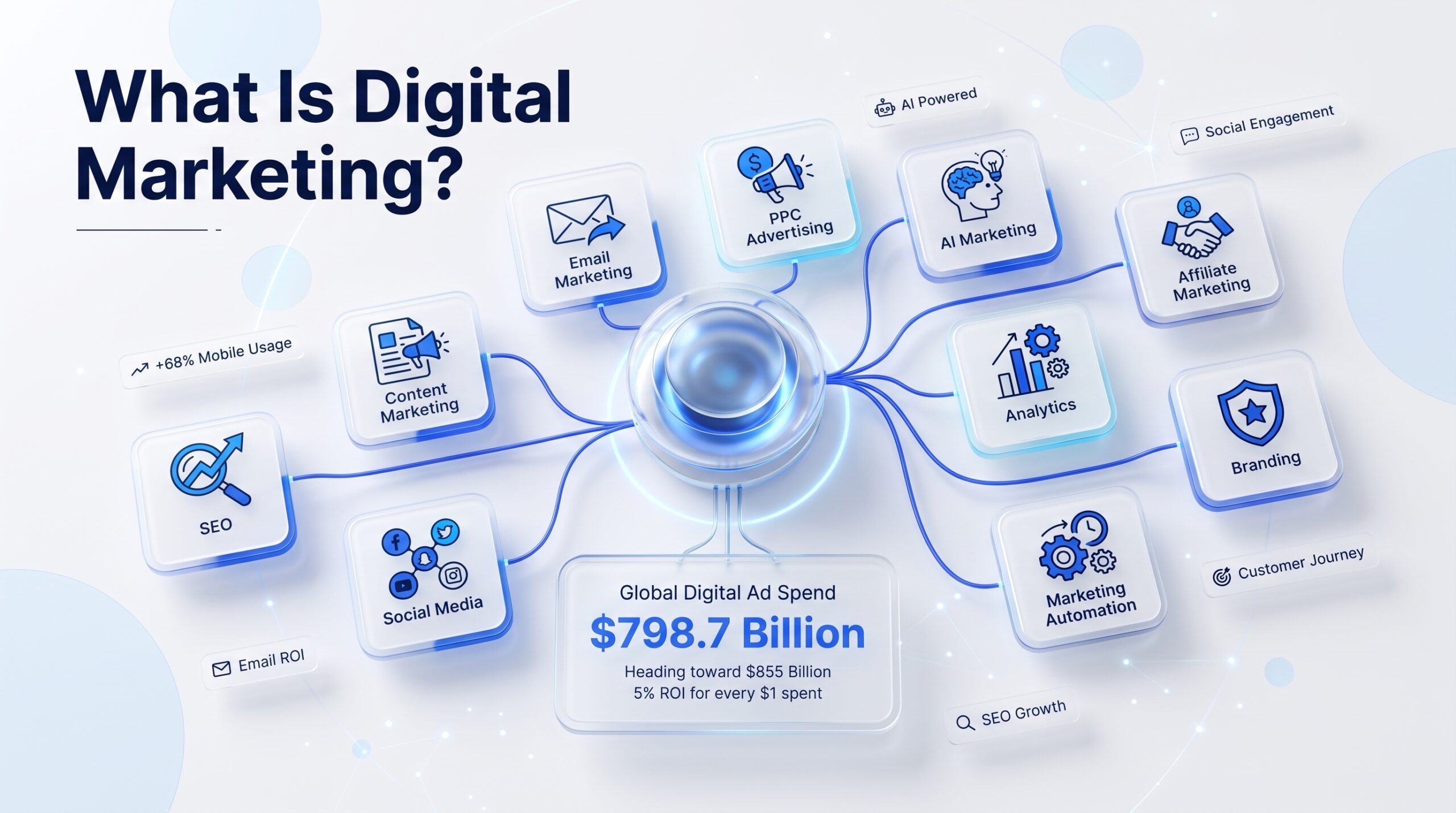
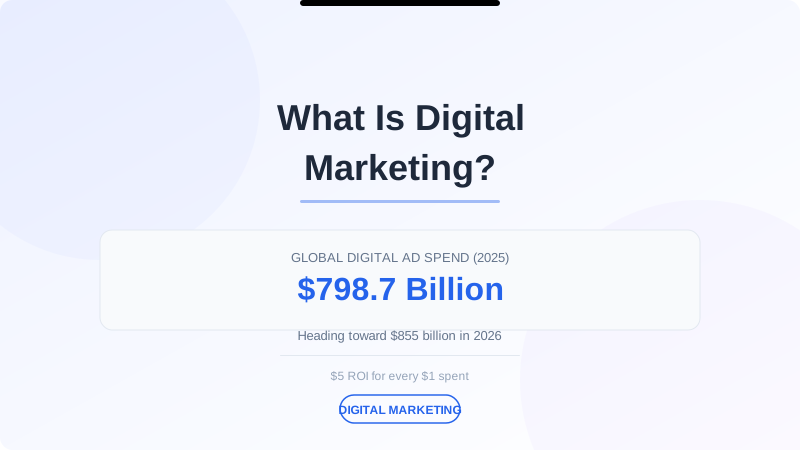
Ultimately, digital marketing means promoting products or services through websites, social media, email, and search engines. Companies spent over $798 billion on digital ads in 2025, heading toward $855 billion in 2026. Every dollar invested returns roughly $5 on average.
What Is Digital Marketing?
Likewise, Digital marketing covers any promotion that uses the internet or electronic devices. That includes search ads on Google, Instagram posts from brands you follow, emails offering discount codes, and YouTube videos reviewing products. Unlike billboards or TV commercials, every channel feeds you numbers — clicks, conversions, bounce rates. You know precisely which efforts pay off.
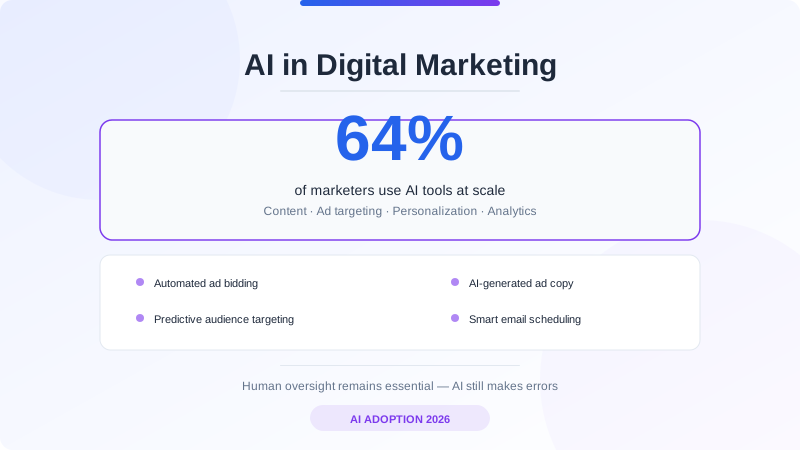
On the other hand, As of 2026, artificial intelligence has become a core part of nearly every digital marketing channel. About 64% of marketers now use AI tools at scale for content creation, ad targeting, personalization, and analytics according to HubSpot’s 2025 State of Marketing report.
Key Components of Digital Marketing
As a result, Digital marketing breaks into five main channels. Most businesses use three or four together because they reinforce each other. Here is how each one works and what it costs.
- Search Engine Optimization (SEO) — Getting your site to rank in Google without paying per click. Costs time and expertise but compounds over months. About 38% of SEOs now use AI to generate content according to Search Engine Journal.
- Pay-Per-Click Advertising (PPC) — Buying traffic through Google Ads or social media ads. Costs money upfront. Produces results in hours. Google ads alone generated $237 billion in revenue in 2025.
- Social Media Marketing — Building an audience on Instagram, LinkedIn, TikTok, or Facebook. Requires consistent posting. Over 5.7 billion people use social media worldwide as of early 2026.
- Email Marketing — Sending newsletters and promotions to people who opted in. Over 376 billion emails are sent every day. Average ROI is $36 for every $1 spent according to the Data & Marketing Association.
- Content Marketing — Publishing articles, videos, or podcasts that answer customer questions. 72% of marketers now use video content, and those who post daily see 82% higher ROI.

Search Engine Optimization
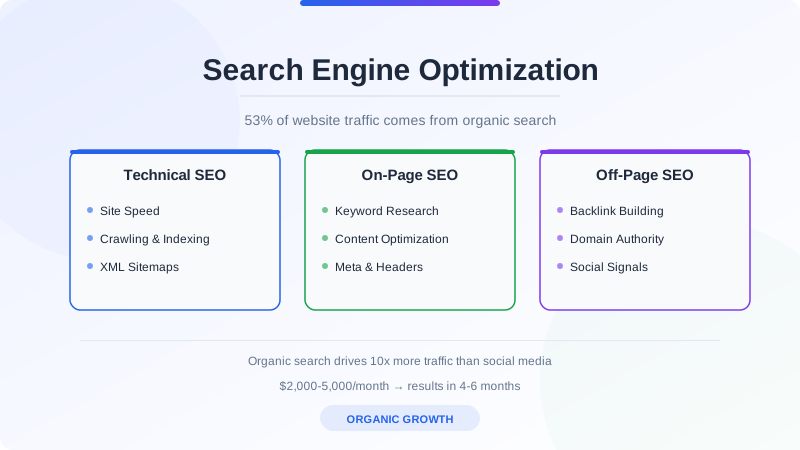
Subsequently, SEO is the practice of structuring your website so Google shows it above competitors. Google processes roughly 16.4 billion searches per day as of 2025, nearly double the volume from just a few years ago. The first organic result gets about 28% of clicks, and results on page two capture less than 6%. If you sell roofing services in Austin and your site ranks first for “Austin roof repair,” you get calls without paying for each one. If you rank on page three, you might as well not exist. what is SEO
Google’s AI Overviews now appear at the top of many search results, pulling information from multiple sources into a single featured answer — this has shifted how SEO works, putting more emphasis on authoritative, cited content. SEO involves technical work (site speed, mobile compatibility), content (writing pages that match what people search for), and backlinks (other reputable sites linking to yours). Most businesses investing $2,000-5,000 per month on SEO see results within 4-6 months.
Social Media Marketing
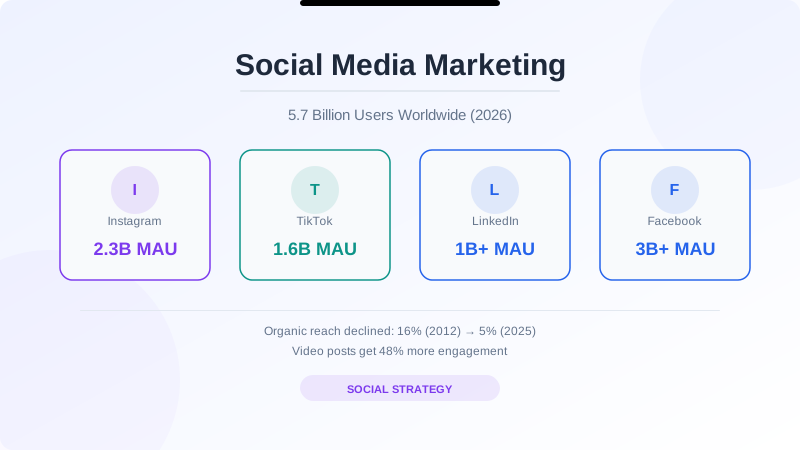
Social media lets businesses talk directly to customers. With over 5.7 billion users globally in 2026, platforms like Instagram (2.3 billion monthly active users), TikTok (1.6 billion), and LinkedIn (over 1 billion) offer massive audiences. A bakery posts photos of fresh cROIssants. A SaaS company shares product tips on LinkedIn. A plumber runs before-and-after videos on TikTok.
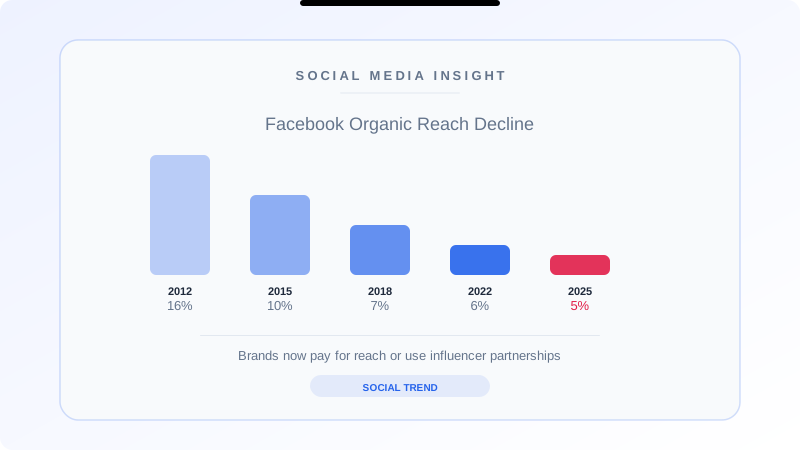
The catch is that organic reach continues to shrink. Facebook page posts reached about 5% of followers organically in 2025, down from 16% in 2012. Brands now pay for reach or rely on influencer partnerships. The smartest social strategy is picking one platform where your customers actually spend time and doing it well instead of posting everywhere badly. Video content performs best across all platforms — posts with video get 48% more engagement than image-only posts.
Email Marketing
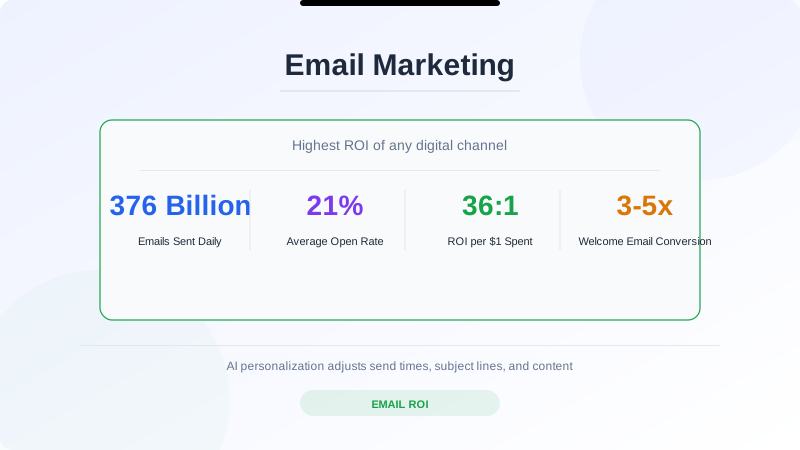
Email generates the highest return of any digital marketing channel because you own the list. You do not borrow reach from an algorithm. Someone who gives you their email wants to hear from you. Over 376 billion emails are sent daily worldwide. The average open rate across industries is about 21% according to Mailchimp’s 2025 benchmarks, with the best-performing industries seeing rates above 36%. A welcome email sequence sent to new subscribers typically converts at 3-5x the rate of a cold website visitor.
AI-powered personalization has become standard — tools now adjust send times, subject lines, and content recommendations based on individual subscriber behavior. Most mistakes in email come from sending too often (unsubscribes spike) or too rarely (people forget who you are). Weekly sends with useful content work best for most B2B businesses.
Content Marketing
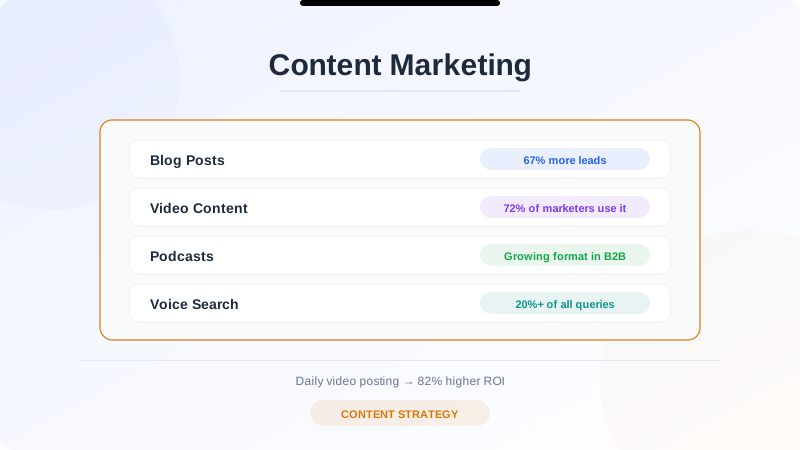
Content marketing means creating material that helps people solve problems. A hardware store publishes a guide on fixing leaky faucets. A marketing agency shares case studies showing how According to Think with Google they doubled a client’s traffic. A fitness coach posts free workouts on YouTube. The logic is simple: if you give away useful information, people trust you and eventually buy from you.
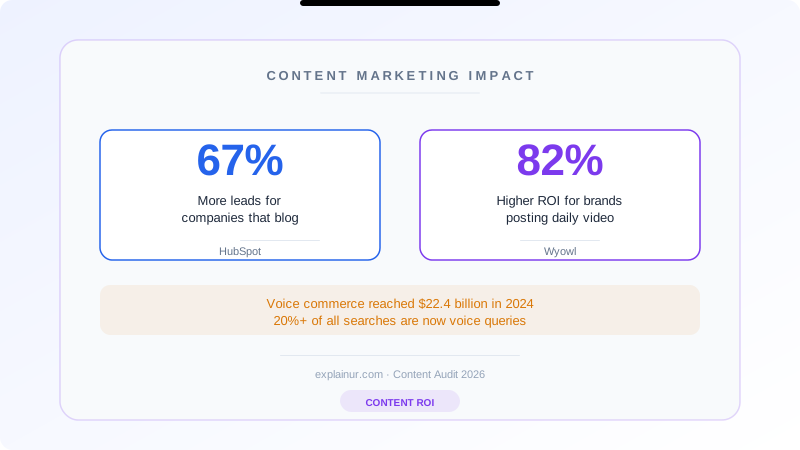
Companies that blog get 67% more leads than those that do not. Video has become the dominant format — 72% of marketers now use video content, and those who post daily see 82% higher ROI. Voice search is also reshaping content strategy — over 20% of all searches are now voice queries, and US voice commerce reached $22.4 billion in 2024. The hard part is consistency. Publishing once and expecting results is like going to the gym once and expecting muscles.
Digital Marketing Metrics That Matter
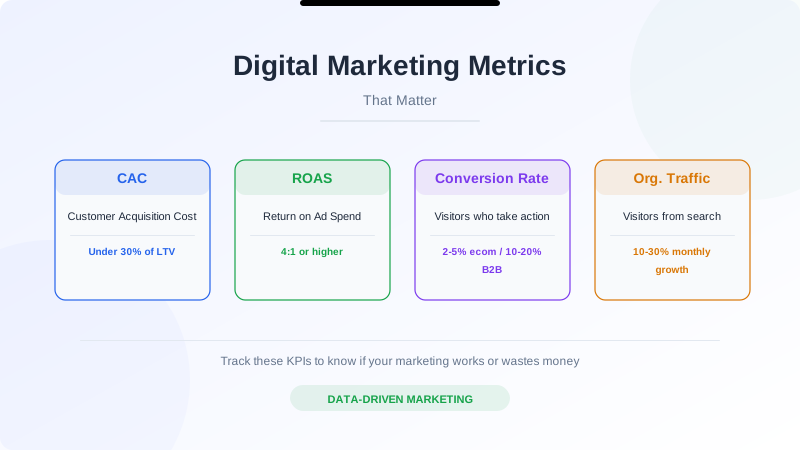
Numbers tell you whether your digital marketing is working or wasting money. These are the metrics every business should track, what they measure, and what healthy ranges look like. top digital marketing trends
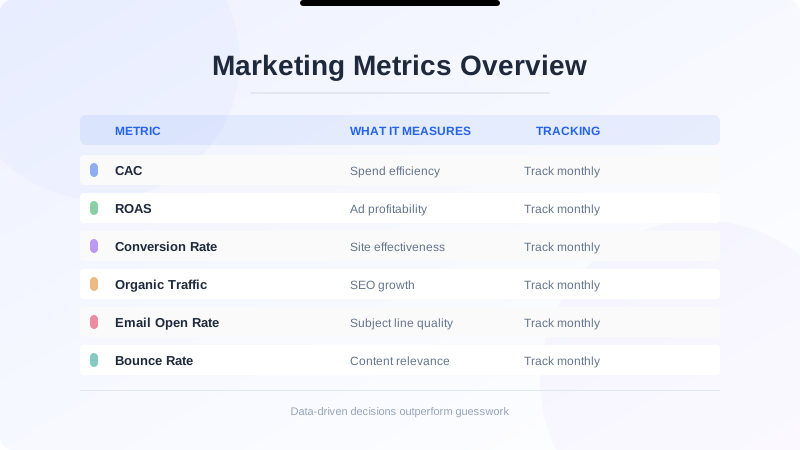
| Metric | What It Measures | Healthy Range | Why It Matters |
|---|---|---|---|
| CAC (Customer Acquisition Cost) | Total marketing spend divided by new customers | Varies by industry, ideally under 30% of LTV | Shows whether you are spending too much to get each customer |
| ROAS (Return on Ad Spend) | Revenue from ads divided by ad cost | 4:1 or higher for most businesses | Reveals whether ad campaigns actually make money |
| Conversion Rate | Percentage of visitors who complete a goal | 2-5% for ecommerce, 10-20% for B2B lead gen | Tells you if your site and offers convince people to act |
| Organic Traffic | Visitors from search engines | Grows 10-30% month over month when SEO works | Indicates whether SEO efforts are building long-term value |
| Email Open Rate | Percentage of subscribers who open an email | 17-28% depending on industry | Measures whether your subject lines earn attention |
| Bounce Rate | Percentage of visitors who leave after one page | 26-40% is excellent, 41-55% average | High bounce means your content or load time pushes people away |

How to Build a Digital Marketing Strategy
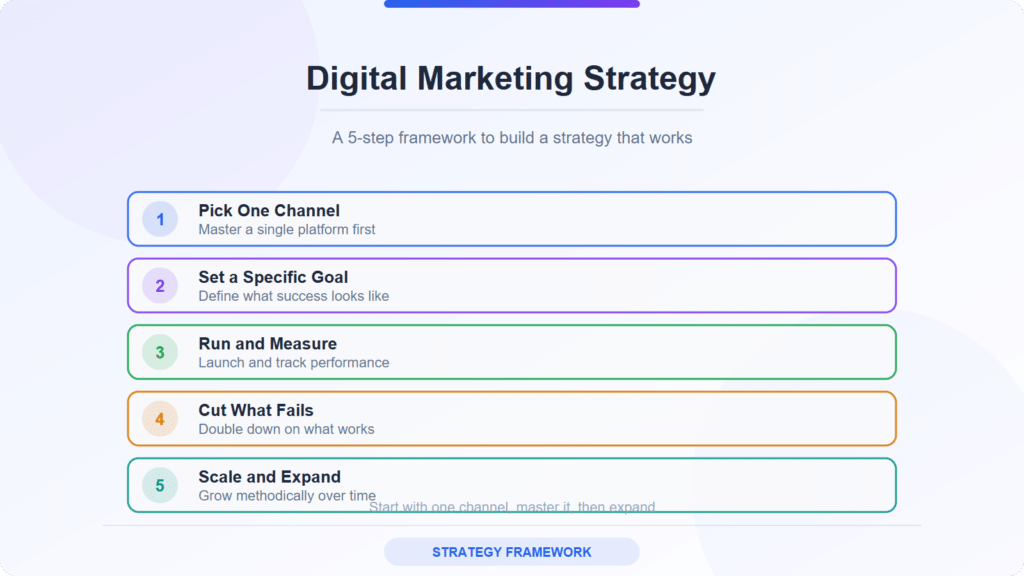
Start with one channel, not six. Most failed marketing happens because businesses spread a small budget across too many platforms. Pick the channel where your customers already spend time. If you sell software to HR managers, start on LinkedIn. If you sell kitchen gadgets, start on Instagram or TikTok. Set a specific number. Not “get more traffic” but “get 500 visitors per month from Google within 90 days.” Run your campaign. Look at the data. Cut what does not work. Double what does. After one channel produces consistent results, add a second one. Content Marketing Institute

AI tools can now handle much of the heavy lifting — automated ad bidding, AI-generated ad copy, predictive audience targeting, and smart email scheduling are standard in 2026. The strategy is the same for a $500 budget or a $50,000 budget. The discipline of measuring and adjusting matters more than the total you spend.

Avoid These Digital Marketing Mistakes
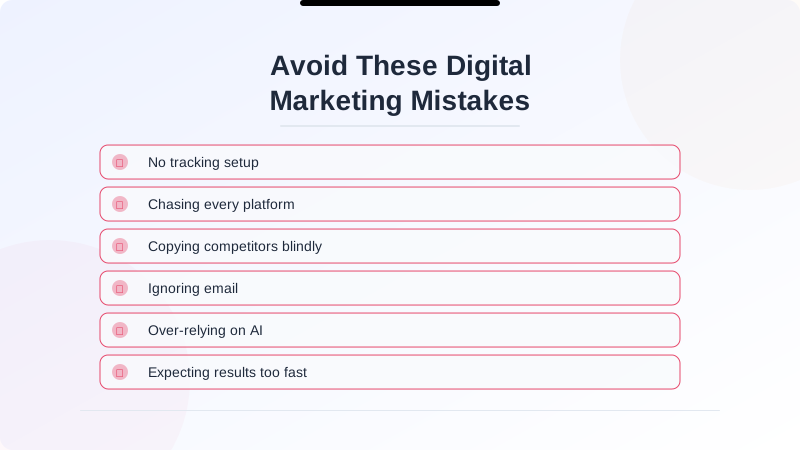
After working with dozens of businesses, these are the patterns that consistently waste money.
- No tracking setup. You cannot optimize what you do not measure. Install Google Analytics and conversion tracking before you spend a dollar on ads. Most businesses skip this and have no idea which campaigns worked.
- Chasing every platform. Your customers are on 2-3 platforms maximum. Being active on eight platforms means you do a mediocre job on all of them. Pick your two best and ignore the rest until those work.
- Copying competitors blindly. Your competitor’s strategy fits their budget, team, and audience. Copying their tactics without understanding their context is a recipe for wasted money.
- Ignoring email. Every digital marketing channel works better when combined with email. A Facebook ad gets someone to your site. An email captures them and lets you follow up 50 times for free.
- Over-relying on AI without human oversight. AI tools are powerful but they still produce factual errors, bland copy, and tone-deaf messaging. Every AI-generated piece needs a human review before it goes live.
- Expecting results too fast. SEO takes 4-6 months. Content marketing takes 6-12 months. Building a social following takes 12-18 months. The businesses that quit at month three never see the payoff.